Three Weeks in Japan: The Deep Dive
Three weeks is when Japan stops being a checklist and starts being a place you lived. This slow-lane route gives every stop two to four days: Tokyo's neighborhoods, two nights in a Hakone onsen ryokan, the wooden old town of Takayama, a night in a thatched gassho farmhouse in Shirakawago, Kanazawa's samurai lanes, four days in Kyoto, a temple lodging on Koyasan with Buddhist vegetarian cuisine, Nara's Great Buddha, Osaka's griddle culture, and the Hiroshima-Miyajima-Fukuoka finale. Practical Notes run the full 21-day Japan Rail Pass math — a ¥100,000 pass against roughly ¥46,000 of actual JR travel — and land firmly on point-to-point tickets, with the booking checklist (farmhouse, shukubo, bus seats) that makes the slow version work.
Route: Tokyo Hakone Takayama Shirakawago Kanazawa Kyoto Koyasan Nara Osaka Hiroshima Fukuoka
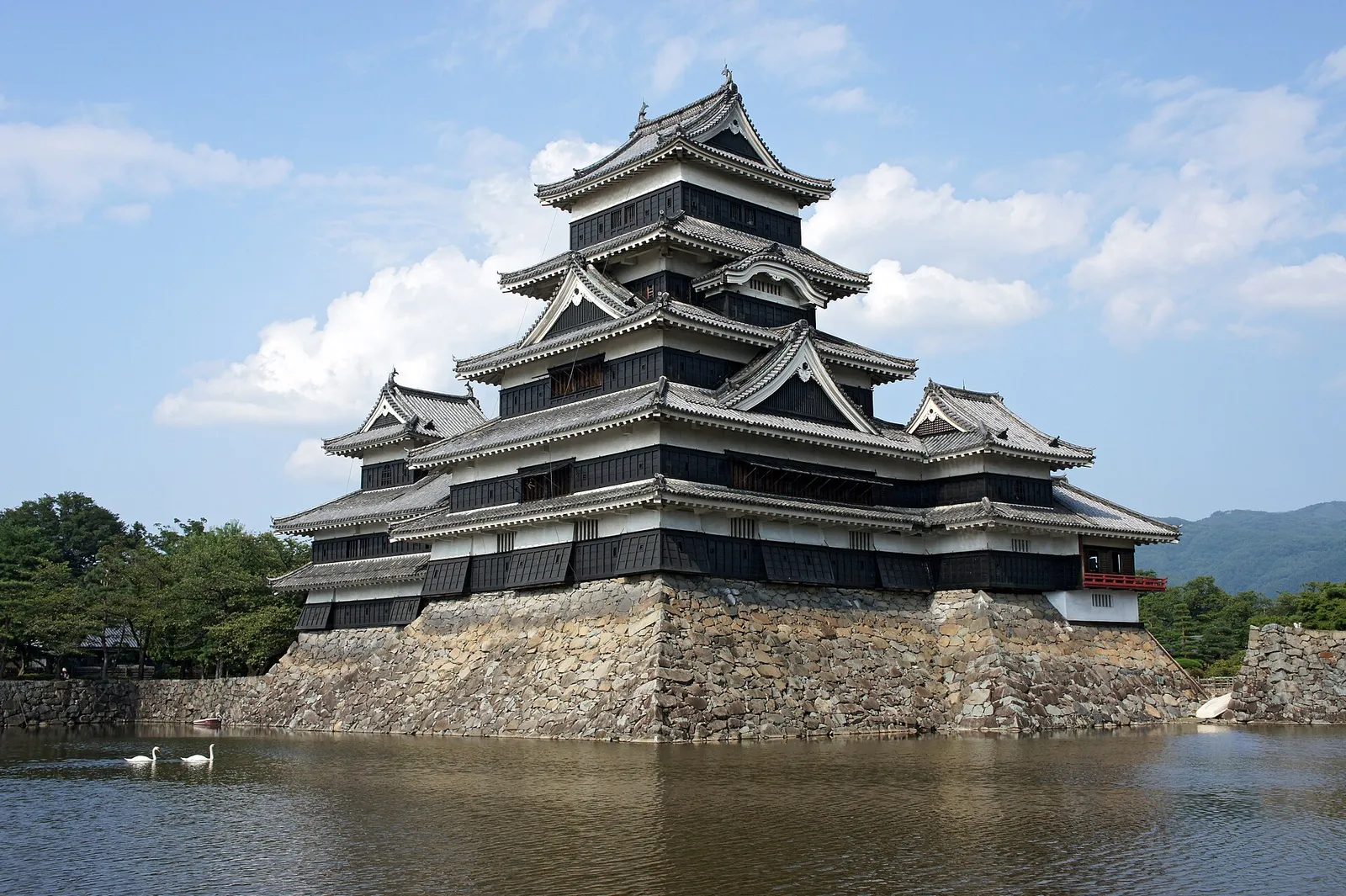
Three weeks rewards travelers who stop racing. This route strings eleven stops into one westward arc — Tokyo, an onsen night or two in Hakone, the mountain towns of Takayama and Shirakawago, castle-and-garden Kanazawa, four days in Kyoto, a monastery night on Koyasan, Nara, Osaka, and the Hiroshima-to-Fukuoka finish — and never asks you to change hotels before you have unpacked. The pacing is the product: two nights minimum almost everywhere, early starts over long days, and reservations made for the handful of sleeps that sell out.
Day 1: Arrive in Tokyo
Land, clear the airport express into town, and keep the evening vertical: a first bowl of ramen, a walk under the neon of Shinjuku, early sleep. Jet lag is the only scheduled activity. Set up an IC card in your phone wallet at the airport or any station machine tonight — it covers every subway, tram and convenience store for the next three weeks.
Practical tip: Three weeks and eleven hotels is luggage Olympiad. Pack a carry-on-sized bag and use takkyubin luggage forwarding between stops (hotel fronts arrange it, next-day delivery); tonight is also the moment to book your Day 4 shinkansen seats on the SmartEX app.
Day 2: Tokyo — the Old East
Start at Senso-ji in Asakusa at 7 a.m., while the lanterns are still lit and the crowds are still asleep, then walk Nakamise’s snack stalls as they open. Midday, Ueno: the park’s museums (pick one — the Tokyo National Museum earns its two hours) and the Ameyoko market street for lunch. Evening in Yanaka’s surviving shitamachi lanes, or a first look at the Sumida river skyline.
Practical tip: Museums here close Mondays — check before you commit, and keep Monday for neighborhoods and markets. More Tokyo structuring in our Tokyo guide.
Day 3: Tokyo — Flex Day
Tokyo’s greatest hits, your pick: Meiji Shrine’s forest approach into Harajuku and Shibuya crossing, or a day trip — Nikko’s gilded shrine complex (about two hours north) or Kamakura’s Great Buddha and seaside temple town (an hour). Because the itinerary slows down later, this is the day to spend on whatever Japan means to you.
Practical tip: If you day-trip, reserve seats tonight on the SmartEX app for tomorrow’s run to Hakone — mid-morning departures fill first.
Day 4: Shinkansen to Hakone
A 30-minute Kodama shinkansen hop to Odawara (¥3,810, as of October 2026), where you buy the two-day Hakone Free Pass (¥6,000 bought inside the region) and ride the switchback mountain railway up. Check into your ryokan by mid-afternoon, bathe before dinner, and let the kaiseki courses arrive on schedule.
Practical tip: Ryokan dinners run to a set clock — arrive by 3 p.m. or warn them. The Free Pass covers the entire loop (railway, cablecar, ropeway, boats); IC cards do not work on it. Etiquette basics: our onsen guide.
Day 5: Hakone — the Full Loop
The classic circuit: ropeway over the steaming vents of Owakudani (black eggs, seven years of legend each), down to Lake Ashi for the pirate-ship crossing and Hakone Shrine’s torii standing in the water, then buses home through the caldera. Squeeze in the Open-Air Museum’s sculpture lawns if weather cooperates. Second bath, second multi-course dinner, early to bed.
Practical tip: Fuji visibility is a morning phenomenon here — do the lake leg before lunch and treat the mountain as a bonus, not a booking. Details in our Hakone guide.
Day 6: To Takayama via Nagoya
Back down to Odawara and ride the Tokaido Shinkansen to Nagoya (about two hours, ¥8,600-9,300 one way, often with one transfer at Hamamatsu, as of October 2026), then the Hida limited express climbs into the mountains for 2 hours 15 minutes (¥5,610) and drops you in Edo-period Takayama. Evening: lantern-lit Sanmachi old town and a Hida beef dinner.
Practical tip: The Odawara-Nagoya-Takayama chain only connects comfortably a few times a day — check the transfer when you book, and buy a decent ekiben at Odawara; the Hida has no food cart.
Day 7: Takayama — Old Town and Sake
A slow town day: the Miyagawa morning market stalls by 8:30, then the dark-wood facades of Sanmachi — sake breweries with free tastings, miso shops, lacquer and woodcraft. Lunch hida-meshi or skewers; afternoon in the Takayama festival floats exhibition hall or the temple quarter east of the river.
Practical tip: The morning markets wind down by noon and pause in hard rain — do them first, museums second. Book tonight for a brewery-labeled bottle to carry: shops ship internationally from the counter.
Day 8: Takayama — Hida Folk Village
Half a day at Hida no Sato, the open-air museum of thirty-odd thatched farmhouses moved in from the surrounding valleys, with open hearths, sleds and silkworm lofts explaining the mountain economy that built this town. Return for a bath-house afternoon or rent bicycles along the Miya river; tomorrow is an early bus.
Practical tip: The village is a 10-minute bus ride west of the station — buses are infrequent mid-afternoon, so photograph the timetable on the way in, and carry coins for the ¥200-300 rides.
Day 9: Bus to Shirakawago, Farmhouse Night
The 50-minute Nohi bus (¥2,800) crosses two passes to Shirakawago, the UNESCO-listed village of gassho-zukuri houses built like praying hands. Walk the Ogimachi village, climb to the castle-mount viewpoint, and check into a thatched farmhouse minshuku — tatami, irori hearth dinner, river noise, no locks on the experience.
Practical tip: Farmhouse rooms number in the dozens and book out two to three months ahead in every season. Forward your big bag to Kanazawa and ride with an overnight pack; bus seats (reserve online or by phone) sell out too.
Day 10: Shirakawago to Kanazawa
Give the village its best hour — 7 to 9 a.m., before the day-trip buses arrive — then take the midday bus north to Kanazawa (about 2 hours 15 minutes, ¥2,800). Drop bags and spend the late afternoon in Kenrokuen (¥320), one of Japan’s three great gardens, and the adjacent castle park at dusk.
Practical tip: Kenrokuen’s seasonal hours run 7 a.m. to 5-6 p.m. with last entry well before closing — arrive by 4 p.m. or save it for tomorrow morning, when the garden is better anyway.
Day 11: Kanazawa — Chaya, Samurai, Market
A walking day with almost no tickets: the teahouse facades of Higashi Chaya in the morning, a sea urchin-and-crab lunch at Omicho Market, the mud-walled samurai lanes of Nagamachi in the afternoon, gold leaf on everything, including the ice cream. Rain plan: the 21st Century Museum of Contemporary Art.
Practical tip: Kanazawa’s sights shutter by 5 p.m. — front-load the day, and check the loop bus map tonight (¥220 a ride) for tomorrow’s station exit. More in our Kanazawa guide.
Day 12: To Kyoto
The Thunderbird limited express and a Hokuriku Shinkansen connection at Tsuruga bring you to Kyoto in about two hours (¥7,520, as of October 2026). Late afternoon among Nishiki Market’s covered stalls for a first read on Kyoto’s food culture, then walk the Gion lanes at lantern-lighting hour and eat along Pontocho.
Practical tip: Nishiki mostly runs 10 a.m. to 6 p.m. and thins out on Wednesdays and Sundays; graze at the counter rather than while walking — it is genuinely frowned on here.
Day 13: Kyoto East
The clock strategy: Fushimi Inari’s thousands of vermilion torii at 7 a.m. belong to you; by 10 they belong to everyone with a camera. Midday descent, then the Higashiyama slope walk — Kiyomizu-dera’s wooden stage, the Sannenzaka and Ninenzaka lanes, tea and pickles — ending in Gion at dusk.
Practical tip: Fushimi Inari is free and open around the clock; there is no ticket to book, only an alarm to set. Buses take the same IC card you have carried since Tokyo.
Day 14: Kyoto West
Arashiyama early: the bamboo grove before 9 a.m., the riverside willow streets and Togetsukyo Bridge, Tenryu-ji’s borrowed-scenery garden if the queue is short. After lunch, cross town to Kinkaku-ji, the Golden Pavilion (¥500), and finish at Ryoan-ji’s fifteen-stone rock garden next door, which asks you to sit down and do nothing — the day’s most advanced activity.
Practical tip: The Keifuku tram from Shijo is the scenic approach to Arashiyama; the grove is a 10-minute walk from the terminal and uncomfortably full by 10.
Day 15: Kyoto — Flex Day
A built-in catch-all: north Kyoto’s temple belt (the Philosopher’s Path, Nanzenji’s aqueduct, Ginkaku-ji), or a half-day south to Uji’s tea groves and Fushimi’s sake district, or a shinkansen day trip to Himeji’s great white castle with Kobe beef on the way back. Whichever you choose, keep the evening free.
Practical tip: Tonight is the deadline to confirm tomorrow’s Koyasan lodging and check its check-in window — shukubo lock their gates and serve dinner at fixed hours.
Day 16: To Koyasan, Shukubo Night
Ride the rapid to Osaka (¥580) and cross Namba to Nankai: express train (¥930) or reserved limited express, then the funicular up the cliff (¥500) and a bus into the temple town (¥460) — about 2.5 hours door to door, as of October 2026. Check into your shukubo, then walk Okunoin cemetery at dusk, when the lanterns come on along two kilometers of moss and cedar.
Practical tip: Nankai’s Koyasan World Heritage Ticket (from ¥3,980 round trip) bundles train, funicular and mountain buses; dinner tonight is shojin ryori, served early — do not be late.
Day 17: Koyasan Morning, Nara Afternoon, Osaka Evening
Up before 6 for the morning service: sutras, incense, the goma fire ritual in a hall of lanterns. Danjo Garan’s great pagoda after breakfast, down the mountain by noon, then Nankai and a Kintetsu connection into Nara by mid-afternoon — the Great Buddha of Todai-ji (¥800) and the bowing deer of the park at golden hour. Evening Kintetsu run into Osaka (about 40 minutes) and Dotonbori’s neon.
Practical tip: Todai-ji’s hall takes last visitors well before its 5:30 close in season — aim to stand under the Daibutsu by 4 p.m., and let the deer eat nothing but official crackers (¥200).
Day 18: Osaka — Castle, Markets, Kushikatsu
Osaka at full volume: Osaka Castle’s park and keep in the morning (buy the e-ticket ahead of the queue), a grazing lunch through Kuromon Market’s 150 stalls, retro Shinsekai for kushikatsu under Tsutenkaku Tower — obey the no-double-dipping sauce law — and Hozenji Yokocho’s lantern alley for dinner. Theme-park people spend the day at Universal Studios Japan instead.
Practical tip: Carry cash for market stalls; some close Sundays. Where to base yourself and what to skip: our Osaka guide.
Day 19: Shinkansen to Hiroshima
The Sakura covers Shin-Osaka to Hiroshima in about 90 minutes (¥10,420, as of October 2026). Give the afternoon its due gravity: the A-Bomb Dome, the Peace Memorial Park, and the museum (¥200) — plan two quiet hours and no dinner reservation right after. Evening: the city’s layered okonomiyaki, cooked in front of you.
Practical tip: The flat-fare streetcars run ¥240 a ride from the station to the park — a ¥700 day pass pays from the fourth ride. Keep the museum for after lunch, not before.
Day 20: Miyajima Day Trip
Twenty-five minutes on the JR ferry line from Miyajimaguchi (¥420, then the 10-minute ferry, ¥200 plus the ¥100 island tax). Time the tide chart: Itsukushima’s great torii floats at high water and beaches at low. Hike or ride the ropeway up Mount Misen for the island view, eat oysters, and catch a late ferry back.
Practical tip: Almost everyone day-trips, and the island empties after the last boats — if the budget allows, an overnight on Miyajima is this route’s best upgrade. Hike planning: our hiking guide.
Day 21: To Fukuoka, Yatai Farewell
The final hop: Hiroshima to Hakata in about 70 minutes (¥9,100, as of October 2026). Soft plans — Ohori Park’s lake loop, the canal-side Canal City complex for last gifts — because the evening is the point: Fukuoka’s open-air yatai stalls, red-lantern lit from about 6 p.m., seven or eight seats apiece on the Nakasu riverbank.
Practical tip: Cash, one drink plus one dish per person, and a rain plan — stalls shut in heavy weather. Fukuoka Airport is five minutes by subway from Hakata, so late-evening departures and next-morning flights both work.
Practical Notes
Intercity transport
| Leg | Mode | Time | One-way cost (approx.) |
|---|---|---|---|
| Tokyo → Odawara (Hakone) | Kodama shinkansen | ~30 min | ¥3,810 |
| Hakone loop | Hakone Free Pass (2 days, bought in the region) | — | ¥6,000 |
| Odawara → Nagoya | Tokaido Shinkansen (often 1 transfer) | ~2 h | ~¥8,600-9,300 |
| Nagoya → Takayama | Hida limited express | 2 h 15 | ¥5,610 (unreserved) |
| Takayama → Shirakawago | Nohi bus (reserved) | 50 min | ¥2,800 |
| Shirakawago → Kanazawa | Nohi/Hokutetsu bus (reserved) | ~2 h 15 | ¥2,800 |
| Kanazawa → Kyoto | Thunderbird + Hokuriku Shinkansen via Tsuruga | ~2 h | ¥7,520 |
| Kyoto → Koyasan | JR to Osaka + Nankai + cable + bus | 2.5-3 h | ~¥2,700-3,700 |
| Koyasan → Nara | Nankai + Kintetsu via Namba | ~3 h | ~¥2,600-3,500 |
| Nara → Osaka | Kintetsu / JR | ~40 min | ~¥680-810 |
| Shin-Osaka → Hiroshima | Sakura shinkansen | ~90 min | ¥10,420 |
| Hiroshima ⇄ Miyajimaguchi | JR Sanyo line + ferry | 25 min + 10 min | ¥420 + ¥200 (+¥100 tax) |
| Hiroshima → Hakata | Sakura shinkansen | ~70 min | ¥9,100 |
Fares as of October 2026; shinkansen and limited express figures are reserved-seat totals except where noted, based on current timetables — reconfirm on SmartEX or the JR West/JR Central sites when booking. Bus fares are set to rise on some Nohi routes from December 2026; check the operator page. City transport is IC card territory everywhere except Hakone’s loop (trains and IC cards).
Budget estimate (per person, excluding international flights, 21 days)
- Backpacker: US$2,100-2,800 — hostels and guesthouses, market and konbini food, all intercity transport, a shared-bath farmhouse night
- Mid-range: US$3,400-4,600 — 3-4-star hotels plus ryokan, farmhouse and shukubo nights, mixed casual and kaiseki dining
- Comfort: US$5,800-8,000 — design hotels, Green Car on the long legs, top-tier ryokan in Hakone, a Miyajima or Gion splurge night
Open-jaw flights (into Tokyo, out of Fukuoka) usually price close to a Tokyo return — check before committing.
JR Pass verdict
A 21-day chain looks like the Japan Rail Pass’s home turf, and the math still says no. The one-way rail chain above totals about ¥46,000 of JR travel (add ¥5,600 of Shirakawago buses and roughly ¥6,000 of Koyasan/Hakone non-JR transport and the whole three weeks of movement lands around ¥65,000-70,000). The 21-day pass costs ¥100,000 as of October 2026; even adding a Hakata-Tokyo return shinkansen (about ¥23,000) keeps point-to-point under pass price at roughly ¥90,000. The 14-day pass (¥80,000) cannot stretch over rail days that run from Day 4 to Day 21. Buy point-to-point — book each long leg a few days ahead on SmartEX — and read the JR Pass guide or run your own numbers through the JR Pass calculator before you commit.
Booking checklist
- Shirakawago gassho farmhouse minshuku: 2-3 months ahead (a few dozen rooms, period); Nohi bus seats open for reservation about a month out and sell out in foliage and snow seasons
- Koyasan shukubo: 1-2 months ahead; note dinner and gate times, and mention dietary needs at booking
- Hakone ryokan and one splurge ryokan night (Hakone or Kyoto): 1-2 months ahead, earlier for weekends
- Shinkansen and limited express seats: 2-3 days ahead on the SmartEX app; book the Odawara-Nagoya-Takayama and Kanazawa-Kyoto connections together to guarantee transfers
- Luggage forwarding (takkyubin): arrange at each hotel front desk the night before moving on
Sources & verification (11)
- https://www.japan-guide.com/e/e2361.html
- https://www.japan-guide.com/e/e2358_008.html
- https://www.japan-guide.com/e/e5908.html
- https://www.nouhibus.co.jp/route_bus/shirakawago/
- https://www.japan-guide.com/e/e4904.html
- https://www.japan-guide.com/e/e4905.html
- https://www.japan-guide.com/e/e4107.html
- https://www.japan-guide.com/e/e3454.html
- https://www.japan-guide.com/e/e4803.html
- https://transit.yahoo.co.jp/search/result?from=%E5%B0%8F%E7%94%B0%E5%8E%9F&to=%E5%90%8D%E5%8F%A4%E5%B1%8B&type=1&y=2026&m=10&d=6&hh=09&m1=0&m2=0&expkind=1&ws=2&s=0&al=1&shin=1&ex=1&hb=1&lb=1&sr=1&lf=0
- https://transit.yahoo.co.jp/search/result?from=%E5%90%8D%E5%8F%A4%E5%B1%8B&to=%E9%AB%98%E5%B1%B1&type=1&y=2026&m=10&d=6&hh=08&m1=0&m2=0&expkind=1&ws=2&s=0&al=1&shin=1&ex=1&hb=1&lb=1&sr=1&lf=0