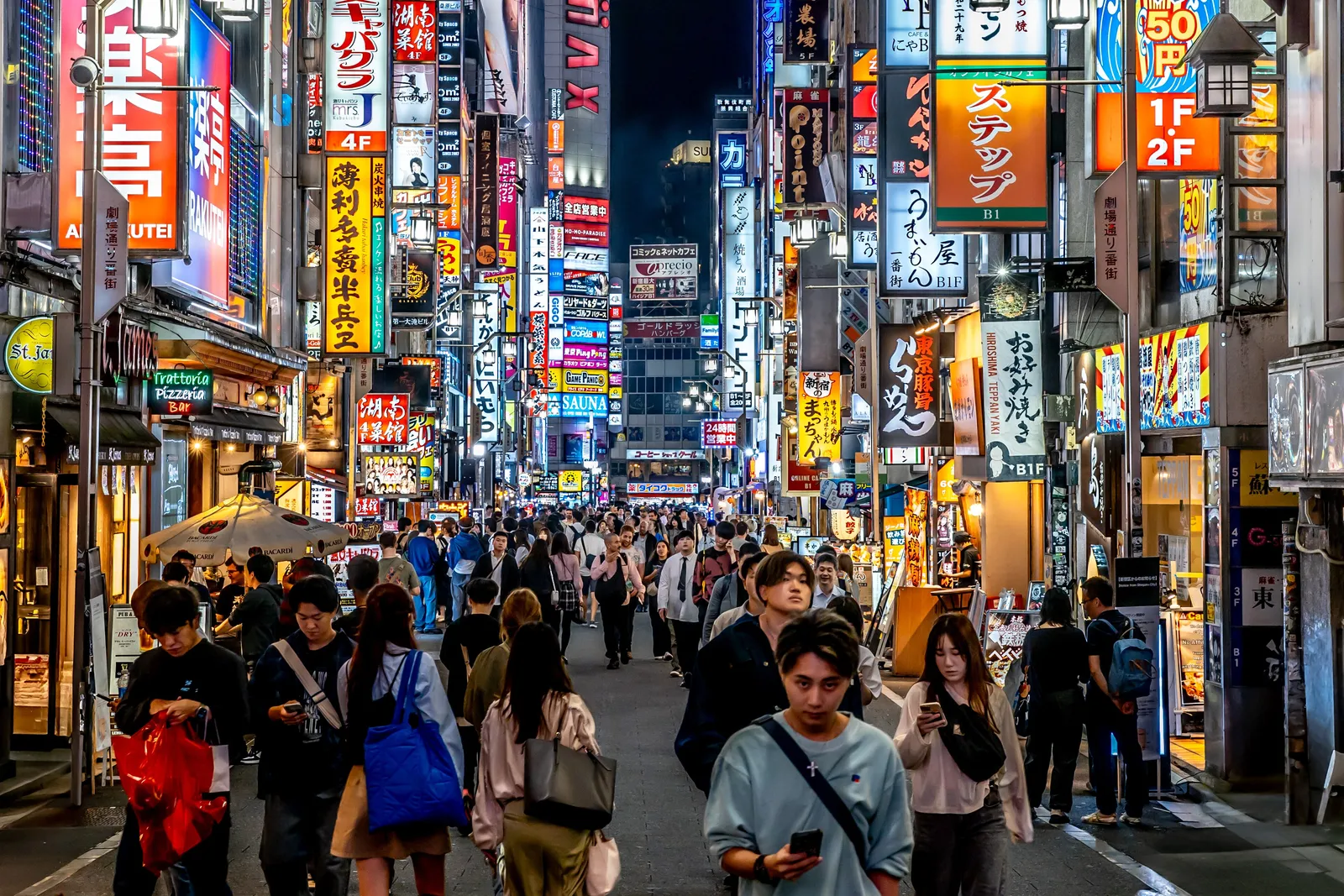
Tokyo is the largest metropolis on earth and, despite its size, one of the easiest for a first-time visitor to work: trains that run to the second, food that ranges from a ¥150 convenience-store egg sandwich to ¥30,000 sushi counters, and quiet temple neighborhoods sitting ten minutes from the world's busiest crossing. The core experiences are Senso-ji's lantern-lit lanes, the forest approach to Meiji Shrine, Shibuya Crossing seen from above at dusk, and a sushi breakfast at Tsukiji Outer Market. It suits independent travelers who plan a little — a handful of headline attractions now require advance booking — and rewards curiosity more than any checklist. Give it four to six days, ideally in spring or autumn.
Top sights at a glance
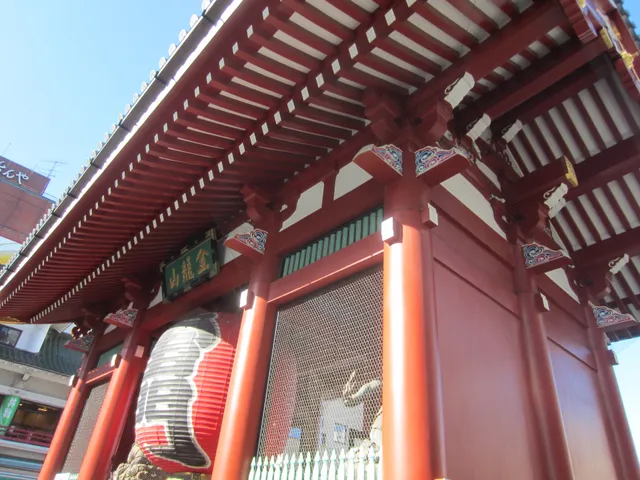
No. 1
Senso-ji Temple
Tokyo's oldest and most visited temple, founded in 628 when, by temple legend, two fishermen pulled a golden Kannon statue from the Sumida River. The buildings are postwar reconstructions, but the approach still works like a time machine: the giant red lantern of Kaminarimon gate, the 250-meter Nakamise souvenir lane, incense smoke you waft toward yourself for health, and the main hall. It is free, open around the clock, and genuinely atmospheric at 7 a.m. or after dark, when the tour groups are gone and the lanterns do the lighting.
Good to know · Grounds are free and never close; the main hall opens 6:00 (6:30 October-March) to 17:00. Arrive before 8 a.m. or after 6 p.m. to dodge crowds. Take the Ginza Line to Asakusa Station — about 10 minutes and ¥180 from Ueno — and walk south from exit 1 toward the Kaminarimon lantern.
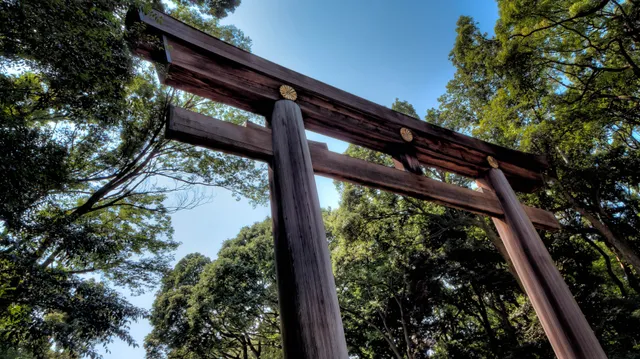
No. 2
Meiji Shrine
A Shinto shrine dedicated to Emperor Meiji, hidden inside a man-made forest of around 100,000 donated trees planted after his death in 1912. The gravel approach from Harajuku — under a huge unpainted cypress torii, past walls of stacked sake and wine barrels — is one of the great city walks, and it lands you somewhere that feels nothing like the world's largest metropolis. Watch for traditional wedding processions on weekend mornings. The shrine is free, and the contrast with teen-fashion Takeshita Street five minutes away is the whole point.
Good to know · Open sunrise to sunset, free, no closing days. Enter from Harajuku Station (JR Yamanote) or Meiji-jingu-mae Station; the walk to the main halls takes 10-15 minutes. The Inner Garden costs ¥500 and the Meiji Jingu Museum ¥1,000 if you want more, as of October 2026.
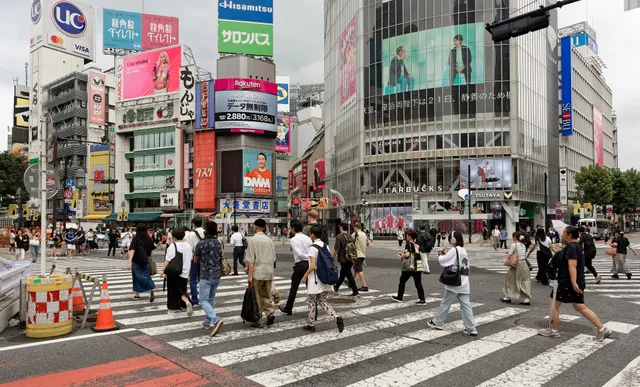
No. 3
Shibuya Crossing
The scramble crossing in front of Shibuya Station's Hachiko exit: every green light, traffic stops in all directions and up to a few thousand people flood the intersection at once, under walls of video advertising. It is a commute, not a show — the residents crossing it are just going home — but at night in the rain it is still the single most Tokyo image there is. The move that upgrades it from a photo stop to a memory: watch one full cycle from street level, then ride the escalators up to the open-air Shibuya Sky deck and look down on it.
Good to know · The crossing itself is free and best at dusk or after dark. Shibuya Sky (10:00-22:30, last entry 21:20) costs about ¥2,700 booked online, more on site, as of October 2026 — book the official site or app two to four weeks ahead for sunset slots, which sell out first.
No. 4
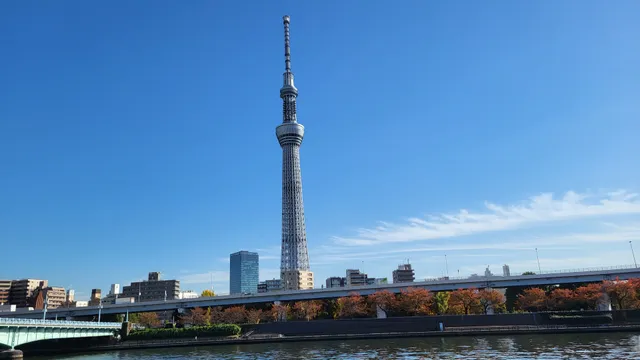
Tokyo Skytree
At 634 meters, the tallest tower in the world and Tokyo's most visible landmark, with observation decks at 350 and 450 meters over the old shitamachi neighborhoods of the Sumida river. On a clear winter morning you can see Mount Fuji and the Boso Peninsula; on a hazy summer afternoon you will see cloud. Honest verdict: if you only pay for one observation deck in Tokyo, Shibuya Sky at sunset beats this for atmosphere — but Skytree is the better pick if you want the tower itself in your photo, from the Asakusa side of the river.
Good to know · Open 10:00-22:00. Advance online tickets cost ¥2,100 weekdays / ¥2,300 weekends for the 350m deck (same-day ¥2,400/¥2,600); both decks advance ¥3,100/¥3,400, as of October 2026. Book the official site for a timed slot, go on a weekday morning for Fuji visibility, or at sunset. It is a 20-minute walk from Asakusa across the river.
No. 5
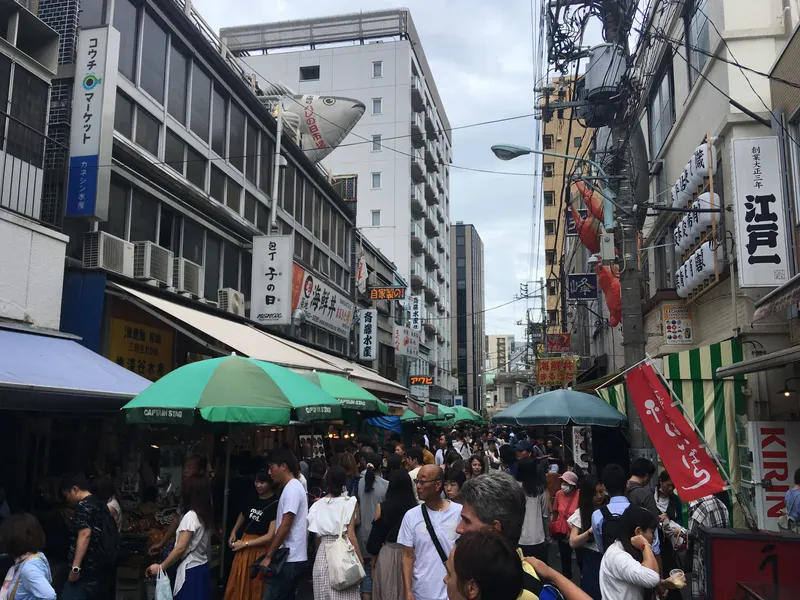
Tsukiji Outer Market
The street-facing half of the old Tsukiji fish market that stayed put when the wholesale inner market moved to Toyosu in 2018. Roughly four hundred shops and restaurants still sell everything the wholesale market feeds on: uni in wooden boxes, tamagoyaki off the griddle, oysters, tea, knife shops with blades you will covet. This is the best breakfast neighborhood in Tokyo and one of the few sights that is better at 8 a.m. than at any other hour — because half of it closes by early afternoon.
Good to know · Most shops run roughly 5:00-14:00, sushi restaurants from 7:00; closed Sundays, national holidays, and some Wednesdays, as of October 2026. Go 8:00-10:00 on a weekday. Nearest stations: Tsukiji Shijo (Oedo Line) or Tsukiji (Hibiya Line). A sushi set breakfast runs about ¥2,500-4,000; queue before 8:30 at the famous spots.
See it in motion
Some places earn a moving picture
Stills can't show how this place moves — the drift, the light show, the crowd flow. We picked a recent, high-quality walkthrough rather than a promotional cut.
4K HDR - Tokyo Night Walk in Shibuya - Spring 2025
VIRTUAL JAPAN · YouTube · plays on click
Embedded via YouTube's official player (privacy-enhanced mode). Video: 4K HDR - Tokyo Night Walk in Shibuya - Spring 2025 by VIRTUAL JAPAN. Not affiliated with Japan Travel Navi; screened for quality and accuracy on 2026-10-06.
Tokyo does not reveal itself all at once, because there is no single city to reveal. What you get instead is two dozen distinct downtowns — a temple town, an electronics town, a fish-market town, a fashion town — stapled together by the world’s best transit system. First impressions are usually ordered and calm: the train arrives on the second, the crosswalk choreography works, your ¥150 convenience-store egg sandwich is better than most hotel breakfasts back home. Then you look up in Shinjuku and the scale reasserts itself. It suits travelers who enjoy a little planning — a few headline experiences need advance booking now — and who measure a city by how much there is to eat, see, and accidentally discover.
A Bit of History
Tokyo spent most of its life as Edo, a fishing village on a marshy bay, until 1603 when Tokugawa Ieyasu established his shogunate here and set about building a capital for his government while the emperor stayed in Kyoto. The plan was deliberate: castle at the center, warriors’ residences ringing it, merchants and craftsmen filling reclaimed land to the east. By the early 1700s Edo was one of the largest cities on earth, past a million people — bigger than London or Paris at the time — with a thriving culture of kabuki, woodblock prints, and fast food.
Much of what the world calls Japanese food is Edo street food — sushi, tempura, soba from single-dish stalls — gone upscale.
In 1868 the Meiji Restoration ended the shogunate; the new government moved emperor and capital to Edo, renamed Tokyo, “eastern capital.” What followed was a century of reinvention interrupted by catastrophe. The Great Kanto Earthquake of 1923 flattened the city and killed around 100,000 people; it rebuilt. American firebombing in March 1945 burned roughly half of it, Senso-ji included; it rebuilt again, hosting the Olympics by 1964.
The 1980s bubble era poured money-concrete across the skyline; after it burst, Tokyo kept accumulating anyway: Akihabara’s electronics shops became anime’s holy ground, Shibuya exported street fashion to the world, and the 2020 Olympics — held in 2021 — left another round of infrastructure, Shibuya Scramble Square included. Today the metropolis holds about 14 million people, with 37 million in the greater urban area — the largest on earth, and among the safest and most functional.
Understand the city as layers and villages rather than one downtown: old Edo survives east of the Sumida River in Asakusa and Yanaka, the imperial and financial city sits at the center, and the youth-and-nightlife city is west in Shibuya and Shinjuku — all stitched together by the elevated Yamanote loop.
Culture & Daily Life
A few unwritten rules make visits smoother. On trains, phones stay silent and conversations stay quiet — the quietest car on the Yamanote line at 8 a.m. is a genuine Tokyo experience. Stand left on escalators, let people off before you board, and queue where the floor markings tell you to. No tipping, anywhere. Trash cans are rare (a legacy of the 1995 sarin attack): carry a small bag, or drop rubbish at a convenience store. Tattoos still bar entry at some bathhouses — check our onsen guide at /guides/onsen-guide/ before you soak. And when you inevitably breach some rule you never knew existed, a sheepish look and a slight bow fix ninety percent of it; tolerance for visitors is high.
Daily life runs on the convenience store. The konbini — 7-Eleven, FamilyMart, Lawson — is a Tokyo institution: onigiri, hot coffee, ATMs that take foreign cards, concert tickets, and a fried-chicken counter, open 24 hours; ¥1,000 buys a genuinely good lunch. Eating while walking is mildly frowned upon, and street smoking is banned in central wards — use the marked rooms.
IC cards and credit cards cover most payments now, but keep a few thousand yen in coins for shrine stalls, small noodle counters, and some market stalls. Set up a mobile Suica in Apple Wallet before you land (iPhone 8 and later) or grab a deposit-free, 28-day Welcome Suica at the airport; the full walkthrough is at /guides/money-and-payments/ and /guides/trains-and-ic-cards/. Bring your passport when you shop, too — tax-free purchases are handled at the register of most large stores.
Two phrases earn their keep: 「すみません」 (sumimasen, “excuse me”) opens every interaction, and 「これをください」 (kore o kudasai, “this one, please”) turns any window-display pointing into an order — it works from bakery to yakitori counter. Printable versions at /cards/.
Nature & Day Trips
Tokyo is greener than its reputation, starting with Meiji Shrine’s forest in the middle of town. For deliberate greenery, Shinjuku Gyoen — ¥500 entry, closed Mondays, as of October 2026 — is one of Japan’s best landscape gardens, with wide, picnic-legal lawns. Ueno Park stacks museums and a zoo under cherry trees; Yoyogi Park is the free-for-all where dogs in costumes and rockabilly dancers share a Sunday lawn. In late March the cherry-blossom front arrives and every one of these parks fills with picnic tarps.
For day trips, you are spoiled. Kamakura gives you a giant bronze Buddha and surf-town streets 60 minutes south. Nikko, two hours north, piles gold mausoleums into a cedar forest. Kawagoe preserves an Edo-era warehouse street 45 minutes out. And Hakone — hot springs, a pirate-boat lake, and the best Mount Fuji views within reach of the city — has its own page in this guide. If you want to stretch legs without leaving town, Mount Takao, a sacred hiking mountain with cable car access, is about an hour west of Shinjuku and costs a few hundred yen each way. On any of these, check the weather twice: Fuji visibility is a morning thing, and haze by afternoon is the norm, not the exception.
Food & Drink
Start with the honest hierarchy: Tokyo has more Michelin stars than any other city, but its genius is the bottom of the market. A ¥500 beef bowl at Yoshinoya-class chains, a ¥1,000 ramen, a ¥300 convenience-store pudding — the floor is absurdly high. Eat down as well as up.
Sushi: conveyor places run ¥100-300 per plate and are fine; counter sushi at mid-range is where Tokyo earns its reputation — a lunch set (go at noon, not dinner; it is roughly half the price) costs ¥2,000-4,000 at very good shops. Tsukiji Outer Market for breakfast is covered below. Ramen: expect ¥1,000-1,500 a bowl, order from the ticket machine with photos, and slurp loudly without apology. Tempura, tonkatsu, and unagi all shine at lunch-set prices. At the top of the market, kaiseki — multi-course seasonal tasting menus — turns dinner into ¥20,000-plus theater; reserve weeks ahead. Izakaya — pub-style small plates — is the evening ritual: budget ¥3,000-5,000 per person with drinks, and know that many take last orders around 21:30-22:00 rather than staying open late.
For neighborhoods: Omoide Yokocho and Golden Gai in Shinjuku are tiny lantern-lit alleys of yakitori and six-seat bars, atmospheric and increasingly visitor-friendly (some carry cover charges of ¥500-1,000 — check the sign before sitting). Yurakucho’s under-the-train-tracks izakaya row is a salaryman classic. Ginza’s department-store basement food halls (depachika) are edible museums, perfect for a picnic in nearby Hibiya Park. Asakusa does old-school tempura, soba, and monja-style snacks. First-timer food strategy is at /guides/japanese-food-first-timers/.
Drinks: sake flights at izakaya, highballs everywhere, and Japanese craft beer now genuinely good. Coffee culture is a religion with its own temples — kissaten serving siphon brews in wood-paneled rooms since the 1960s, many of them offering a ¥700-ish “morning set” of toast, egg, and coffee that is the city’s other great breakfast.
Top Sights
Senso-ji Temple
Tokyo’s oldest temple and most-visited sacred site, founded in 628 and rebuilt many times — the current buildings are postwar reconstructions after the 1945 air raids burned everything here. The approach is the attraction: start at Kaminarimon, the gate with its giant red lantern, walk the 250-meter Nakamise lane of snack and souvenir stalls, waft incense smoke from the burner toward whatever ails you, and reach the main hall and five-story pagoda. The grounds are free and never close, which is the trick most visitors miss: at 7 a.m., stalls shuttered and locals praying, and again after sunset under lantern light, the place is transformed.
Give it two hours early, then keep walking — Asakusa is the best-preserved old-town district in central Tokyo, and the Sumida riverfront with its Skytree views is 15 minutes on foot. Avoid weekend midday, when Nakamise becomes a solid wall of people. Main hall hours are 6:00 to 17:00, opening 6:30 from October to March, as of October 2026.
Meiji Shrine
In 1920, a shrine was dedicated to Emperor Meiji and encircled with a forest: some 100,000 trees donated by volunteers from across Japan. A century later the forest is mature and dense enough that you cannot see, or really hear, the city — the walk from Harajuku Station through two huge torii gates to the main halls, in 15 unhurried minutes, is Tokyo’s best free experience. Along the way: rows of straw-wrapped sake barrels and their French wine counterparts. At the halls, do as locals do — toss a coin, two bows, two claps, one bow — and write a wish on a wooden ema tablet (¥500-1,000).
The shrine opens at sunrise and closes at sunset, free, every day of the year. Two add-ons: the Inner Garden (¥500), a stroll garden with the iris bed the Meiji empress loved, and the Meiji Jingu Museum (¥1,000), closed Thursdays, as of October 2026. Come at 8 a.m. on a weekend and you may catch a Shinto wedding procession crossing the courtyard. Exit south straight into Takeshita Street’s teen-fashion chaos — that is the range this city contains.
Shibuya Crossing
You have seen the footage: every green light, the intersection in front of Shibuya Station stops all car traffic, and the scramble begins — up to a few thousand people crossing at once in every direction, diagonals included, under ten-story video screens. It is the busiest crossing on earth and the defining image of modern Tokyo; do it in three acts. First, cross it yourself — twice, once with the crowd, once diagonally — and do not stop mid-intersection for a photo; the tide does not wait. Second, watch a full cycle from ground level beside the Hachiko statue — the loyal dog who met his dead master here for years — the traditional rendezvous point. Third, go vertical: Shibuya Sky, the open-air roof deck of the 230-meter Scramble Square tower, runs 10:00 to 22:30 with last entry 21:20, and costs about ¥2,700 online (more on site) as of October 2026 — book two to four weeks ahead for a sunset slot, the ones that go first.
Evening, ideally with rain slicking the neon, is the full effect. Then dive into Center-gai and the back lanes — Shibuya’s back-alley food scene is far better than the main drags suggest.
Tokyo Skytree
At 634 meters, Skytree is the tallest tower on the planet, built to broadcast television over the skyscrapers, and its two decks at 350 and 450 meters are the highest public views in the city. On a clear winter morning you can see Mount Fuji’s cone floating 100 kilometers west and the Boso Peninsula across the bay. The structure itself is the draw: a latticed silver spike that changes character depending on where you stand — from the Asakusa riverbank at Azumabashi, framed against the old town, it is the single best photo op in Tokyo.
Now decide whether to go up. Advance online tickets are ¥2,100 weekdays / ¥2,300 weekends for the 350m Tembo Deck, ¥2,400/¥2,600 same-day, both decks advance ¥3,100/¥3,400, as of October 2026. Our honest ranking: if you are choosing one paid view in Tokyo, Shibuya Sky at sunset is the better show. Choose Skytree if heights are the point, if winter-morning Fuji visibility matters, or if photography is your trip. For a free alternative, the Metropolitan Government Building observatory in Shinjuku costs nothing — confirm open days before you go. Get here via Oshiage or Tokyo Skytree Station, or walk 20 minutes from Asakusa.
Tsukiji Outer Market
When the famous tuna auctions moved to the purpose-built Toyosu Market in 2018, half the world decided Tsukiji was gone. The outer market — the streets of small shops and restaurants that grew around the wholesale market — never left, and it is still the best food morning in Tokyo. Several hundred vendors sell sea urchin in wooden boxes, grilled eel, tamagoyaki skewers off the griddle, matcha everything, and knives forged by shops here for generations. Graze your way in — a scallop here, an oyster there, uni if you are feeling rich — then finish with a proper sushi breakfast at a counter shop serving from 7:00, supplied from Toyosu.
Timing is everything, because this is a working market on wholesale hours: most shops open around 5:00 and start closing by early afternoon, and the whole street is dead on Sundays, national holidays, and many Wednesdays, as of October 2026. Come 8:00-10:00 on a weekday, with cash for small stalls and an appetite for breakfast-as-main-meal. A sit-down sushi set runs ¥2,500-4,000. Reach it from Tsukiji Shijo Station on the Oedo Line or Tsukiji Station on the Hibiya Line, then walk it off in nearby Hamarikyu Gardens.
Getting There & Around
Flights land at one of two airports. Narita (NRT), 60 kilometers east: the JR Narita Express reaches Tokyo Station in about an hour for ¥3,140 (¥5,200 round-trip tourist ticket), the Keisei Skyliner does Nippori/Ueno in 40 minutes for ¥2,580, and a budget Keisei local train costs ¥1,100-1,260 if time matters less than yen. Haneda (HND) is far closer: the Monorail hits Hamamatsucho in 15 minutes for ¥520, the Keikyu line reaches Shinagawa in 15 for ¥330 — all fares as of October 2026.
In town, trains are everything. Most central subway and JR rides cost ¥180-300; buy nothing in advance beyond an IC card — a Welcome Suica at the airport or mobile Suica on iPhone, both explained at /guides/trains-and-ic-cards/. Trains stop between roughly midnight and 5 a.m. — plan around the last train or budget for a taxi (clean, faultless, expensive). The 7-day Japan Rail Pass at ¥50,000 does not pay off for Tokyo alone; see the math at /guides/jr-pass-worth-it/ before you buy. And riding the Yamanote loop line — every major district on one circle — is the cheapest city tour available: about an hour, a few hundred yen.
Where to Stay
Shinjuku, on the west side, is the classic first-timer base: Japan’s busiest station hub puts every day trip and neighborhood one or two trains away, and the surrounding blocks cover every budget from capsule to luxury, plus the best late-night food. Any hotel within ten minutes of the station works.
Asakusa and Ueno, on the east side, are the atmosphere-and-value pick: older Tokyo, cheaper beds, Senso-ji at your doorstep in the early morning when it is at its best, and direct airport and shinkansen links — where we would point budget travelers and repeat visitors.
Shibuya suits travelers who prioritize nightlife, fashion, and staying where the evening action is; it is loud, younger, and less convenient for day trips, but you walk home from dinner. Ginza is the polished, quieter, more expensive choice — department stores and Michelin stars, minutes from Tokyo Station. Whatever you choose, staying within five minutes of a Yamanote or subway station matters more than the hotel itself — Tokyo rewards location over square footage.
Sources & verification (10)
- https://www.japan-guide.com/e/e3004.html
- https://www.japan-guide.com/e/e3002.html
- https://www.japan-guide.com/e/e3007.html
- https://www.japan-guide.com/e/e3064.html
- https://www.japan-guide.com/e/e3021.html
- https://www.ghibli-museum.jp/en/tickets/
- https://www.japan-guide.com/e/e2027.html
- https://www.japan-guide.com/e/e2430.html
- https://www.japan-guide.com/e/e2359_003.html
- https://www.japan-guide.com/e/e2361.html