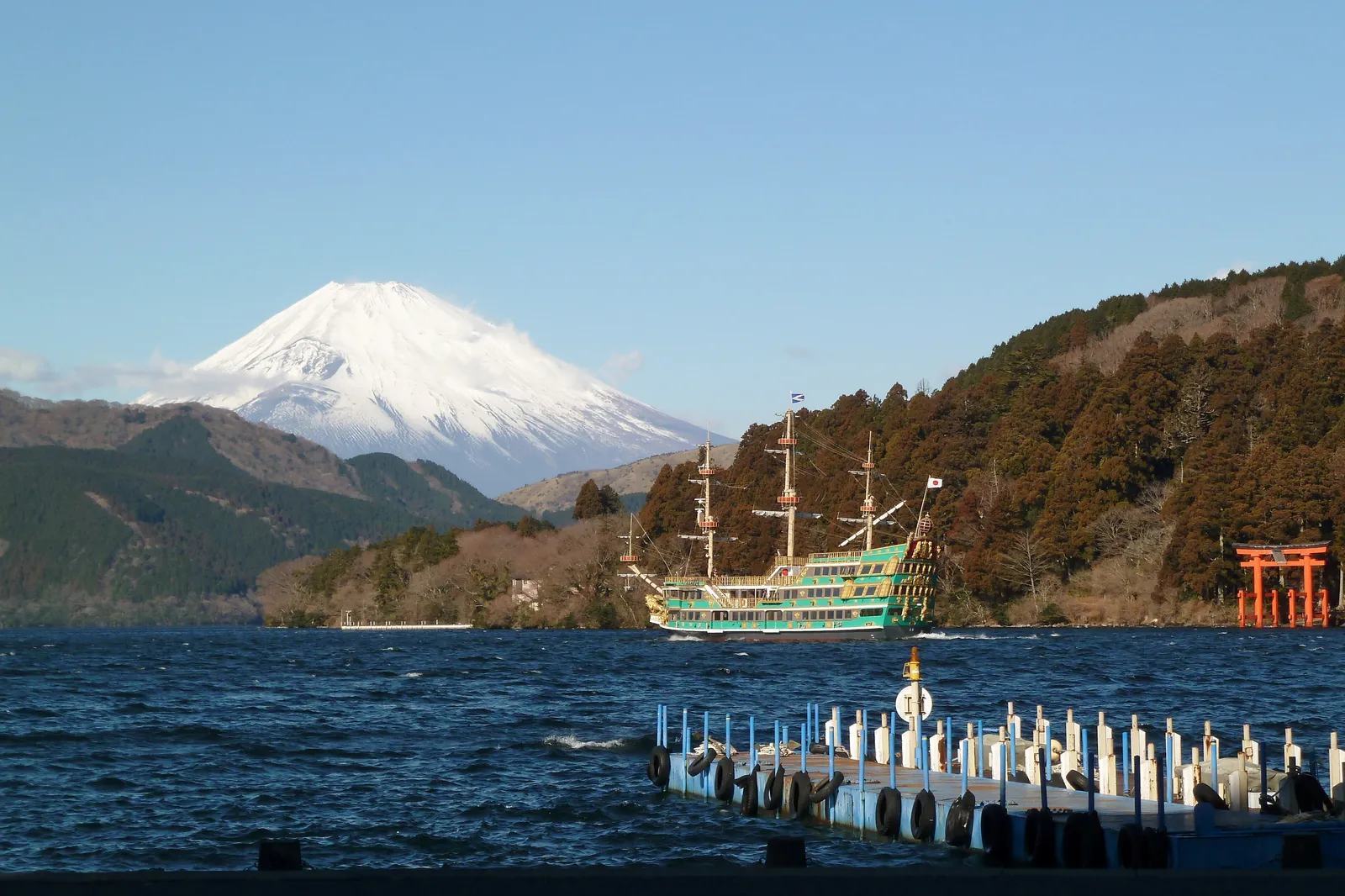
Hakone is Japan's most accessible mountain escape: an old volcanic caldera an hour and a half from Tokyo, wrapped in hot-spring villages and strung together by a sightseeing loop of mountain railway, cablecar, ropeway, and pirate-ship boats on Lake Ashi. The core experiences are a soak at an onsen ryokan, the steaming sulfur vents of Owakudani with their black eggs, and the classic photo of Mount Fuji rising behind the lake's shoreline torii gate — plus world-class sculpture at the Open-Air Museum. Hakone suits first-timers who want the ryokan-and-bath Japan without going far, Fuji chasers, and couples. Stay a night if you can; the day-trip version rushes Japan's best slow destination.
Top sights at a glance
No. 1
Lake Ashi
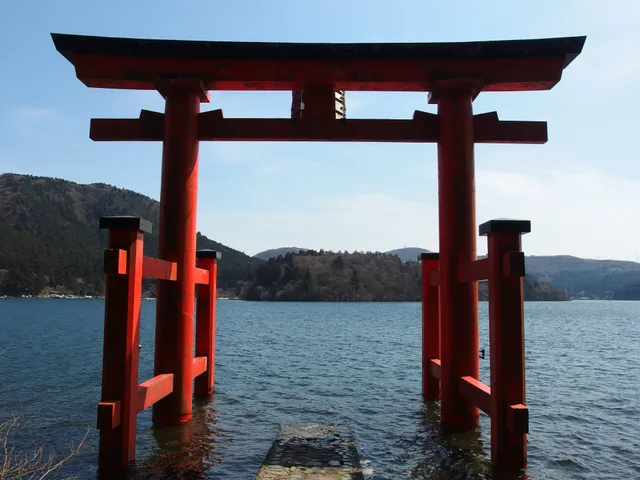
A caldera lake formed about 3,000 years ago when Mount Hakone last blew, now the postcard view of the region: blue water, forested crater rim, and — on the clear, cold mornings when it cooperates — Mount Fuji stacked on the horizon. Hakone Shrine's vermilion torii stands in the shallows at the southern end, the single most photographed spot in the park. Pirate-ship-styled sightseeing boats cross between the shores, and the whole thing is best treated slowly: one boat ride, one shrine visit, one lakeside walk.
Good to know · The Hakone Free Pass covers the pirate-style Hakone Sightseeing Boats (one-way tickets otherwise ¥1,700). Fuji visibility is best on winter mornings; clouds often close in by afternoon, so do the lake before lunch. Get off at Moto-Hakone: the shrine's lakeside torii is a 5-10 minute walk from the pier.
No. 2
Owakudani
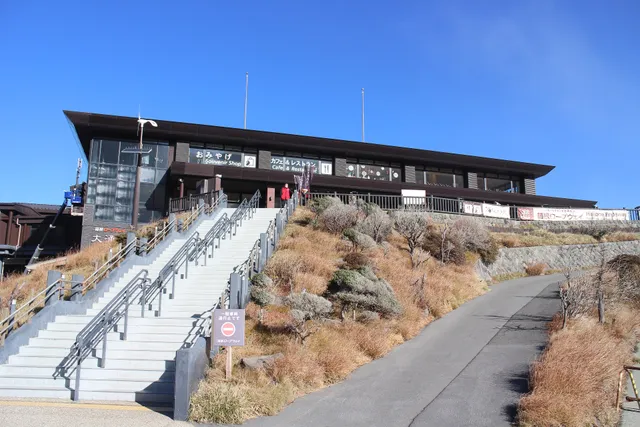
The steaming, sulfur-yellow scar left by Hakone's last eruption, where fumaroles vent through the hillside and the air smells of struck matches. Owakudani's claim to fame is the kuro-tamago — eggs boiled in the volcanic pools until their shells turn jet black; local legend grants seven years of life per egg, and the gift shops will sell you five. The ropeway glides directly over the vents, and a short boardwalk trail (now ticketed and reservation-based) walks you between steam columns with the crater spread below.
Good to know · Free to visit off the ropeway; the boardwalk trail costs ¥800 and requires advance reservation, as of October 2026 — check the official Owakudani site when planning. People with respiratory conditions should pass on the vents. Get here early for visibility and before the egg queues; Owakudani Station is on the ropeway between Sounzan and Togendai.
No. 3
Hakone Open-Air Museum
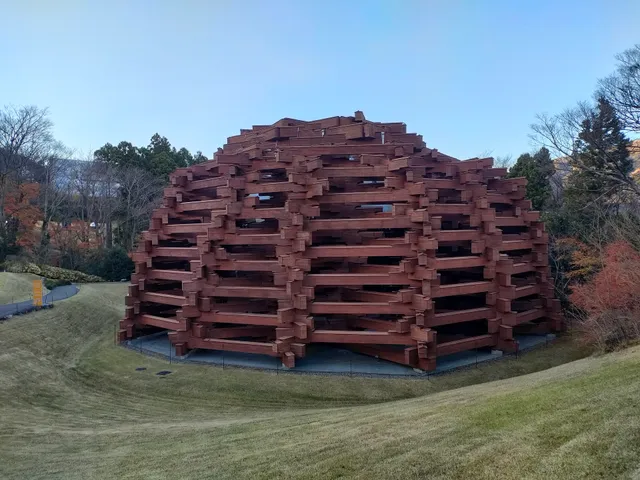
Japan's original and best sculpture park: a valley lawn ringed by mountains where Henry Moores and mirrored domes stand in open air, a stained-glass tower you climb from the inside, a two-story Picasso pavilion of paintings and ceramics, and a free foot bath fed by the local hot spring where you soak while watching art happen around you. Families get real play structures, including a netted climbing dome. Two hours disappear easily, rain or shine — the indoor halls cover the wet days.
Good to know · ¥2,000 (¥1,900 with the Hakone Free Pass, ¥1,800 online), 9:00-17:00 with entry until 16:30, no closing days, as of October 2026. It sits directly at Chokoku-no-Mori Station on the Hakone Tozan Railway, about 30 minutes from Hakone-Yumoto. Bring a towel for the foot bath, or buy one at the museum shop.
No. 4
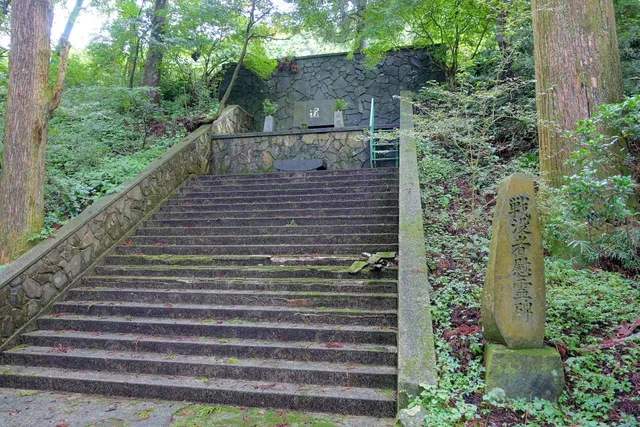
Old Tokaido Cedar Avenue
The old Tokaido, the great highway that linked Edo and Kyoto, climbs over the Hakone pass, and sections survive exactly as the daimyo processions knew them: a corridor of 300-plus-year-old cedars between Moto-Hakone and Hakone-machi along the lakeshore, then stone paving up the ridge toward the reconstructed Hakone Checkpoint, where Tokugawa officials once searched travelers for guns and outgoing women. Continue into the hills and the forest swallows the road entirely; the Amasake Chaya teahouse has poured sweet hot rice wine to walkers since the 1600s.
Good to know · Free to walk, always open. The lakeshore cedar stretch begins at Moto-Hakone pier; the checkpoint museum costs ¥500 (¥400 with the Free Pass), 9:00-17:00, as of October 2026. Serious walkers can continue the stone-paved old road from Moto-Hakone to Hatajuku, 75-100 minutes through cedar forest; buses return from either end.
No. 5
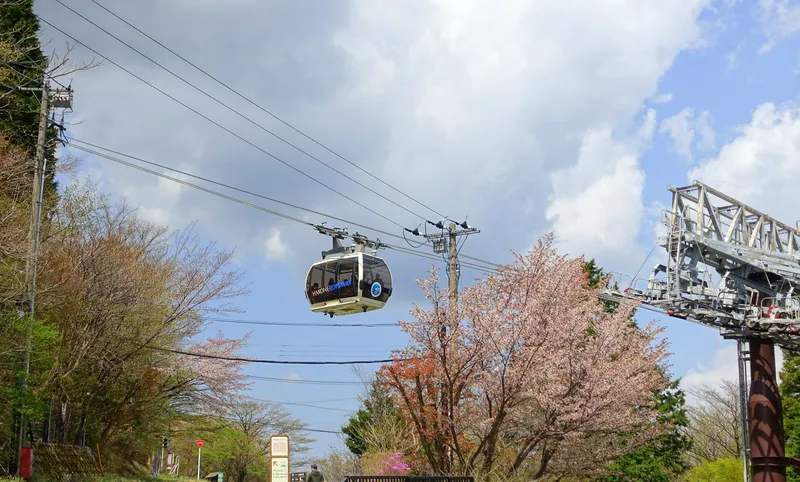
Hakone Ropeway
The airborne link of the Hakone loop, swinging gondolas from the cablecar terminus at Sounzan over the steaming vents of Owakudani and down to Lake Ashi at Togendai — about 30 minutes end to end, with the Owakudani stretch serving the region's best moving views of the crater, the lake, and Fuji beyond it. Gondolas leave about every minute, so the wait is short even in season. This is transport as attraction, and it is the reason the loop works: you look down on sulfur vents one minute and sail over treetops toward the water the next.
Good to know · Covered fully by the Hakone Free Pass; standalone fares are ¥2,000 one way or ¥3,000 round trip, 9:00-16:45 (until 16:15 December-January), as of October 2026. A gondola change is required at Owakudani. It suspends in high wind and heavy weather and closes for periodic winter maintenance — substitute buses run — so check the official site for your dates.
See it in motion
Some places earn a moving picture
Stills can't show how this place moves — the drift, the light show, the crowd flow. We picked a recent, high-quality walkthrough rather than a promotional cut.
How to Spend 2 Days in Hakone: Our Itinerary
Japan Guide · YouTube · plays on click
Embedded via YouTube's official player (privacy-enhanced mode). Video: How to Spend 2 Days in Hakone: Our Itinerary by Japan Guide. Not affiliated with Japan Travel Navi; screened for quality and accuracy on 2026-10-06.
Hakone is what Tokyo does on the weekend. Ninety minutes southwest of Shinjuku, the megacity stops at a wall of mountains, and behind it sits a green caldera of hot-spring villages, a shrine-guarded lake, a volcanic valley that boils eggs black, and — when weather cooperates — the best view of Mount Fuji that doesn’t require climbing it. The whole region runs on a single sightseeing loop of mountain railway, cablecar, ropeway, and pirate-ship boats, stitched together by the Hakone Free Pass. It is Japan’s classic onsen escape, and it delivers the full ryokan fantasy — tatami, kaiseki dinner, hot baths — at every budget from hostel to grand century-old hotel. Rush it in a day and you will tick boxes; stay a night and you will understand why people have come for four centuries.
A Bit of History
Hakone’s original job was not relaxation but control. The Tokaido, Japan’s great coastal highway, crossed the Hakone pass between Edo and Kyoto, and the Tokugawa shogunate built one of its strictest checkpoint fortresses here in the early 1600s: officials searched westbound travelers for smuggled guns and eastbound ones for escaping women (daimyo wives were effectively hostages in Edo). The stone-paved road, the cedar avenue planted to shade and stabilize it, and the checkpoint itself are preserved today, and the traffic that once crawled over this pass — processions of samurai, porters, and pilgrims — explains why an inn culture grew on both sides of the mountain.
The hot springs came first, though. Hakone Yumoto’s baths at the caldera’s eastern gate have been soaking samurai, monks, and aristocrats for well over a millennium, and Hakone Shrine, hidden in the forest at the lake’s southern shore, was founded in the eighth century to enshrine the caldera’s mountain gods — its lantern-lit approach and water torii still anchor the region’s spiritual life. The Edo period’s mass pilgrimages, which joined Hakone to Izu’s shrines and Mount Fuji in a devotional circuit Edo residents hoped to complete once in a lifetime, kept the mountain inns full. When Japan opened and Tokyo grew rich, Hakone converted gracefully into the capital’s resort: Meiji-era politicians and foreign diplomats built villas here, writers followed, and the modern ryokan-and-kaiseki weekend was essentially prototyped in these valleys. The Tozan railway’s arrival in 1919 put the hot-spring villages within a day trip of the capital, and the pattern was locked in: Hakone became, and remains, Tokyo’s bath.
The twentieth century brought infrastructure instead of upheaval — sightseeing boats and funiculars threading the caldera, and in 1936 designation inside the new Fuji-Hakone-Izu National Park, which froze the caldera’s forests as they stood. Postwar Tokyo made the region its own: the Odakyu railway’s Romancecar ran luxury expresses from Shinjuku, and today Hakone ranks among the most-visited resort areas in the country, its loop an institution. The essentials have not changed in four hundred years — mountains, steam, baths, and the road over the pass.
Culture & Daily Life
Hakone is a federation of small onsen villages — Yumoto at the bottom of the mountain, Miyanoshita and Gora climbing the caldera, Moto-Hakone by the lake — connected by switchback railway and bus roads too narrow for hurry. Life here runs at bath temperature. Shops close early, dinner is served at your ryokan at a set hour, and after 21:00 the streets belong to the hot-spring steam; cash still matters at small baths and shops. Plan around this rhythm: arrive by mid-afternoon, bathe before dinner, sleep early, walk in the morning.
The onsen ryokan experience deserves a primer. You pay per person per night with dinner and breakfast included; you change into yukata robes on arrival and essentially live in them until checkout; dinner is kaiseki, a slow parade of seasonal courses; and the baths are the main event — communal and typically gender-separated, tattoo policies vary by property (see /guides/onsen-guide/ for etiquette, tattoo guidance, and the mechanics of washing before entering). Etiquette is strict but simple: wash thoroughly at the shower stations before touching the bath, keep hair and towels out of the water, and keep conversation low. Private-bath rooms now exist at many properties for the shy, and most baths rotate men’s and women’s hours overnight, so you can try both sides.
Day visitors are not shut out: many ryokan and public bathhouses sell daytime entry (typically ¥1,500-2,000), and a beloved garden-style bathhouse at the foot of the mountain stays open into the evening. Two practical notes. Weekends and Japanese holiday weeks (Golden Week, Obon, New Year) transform quiet Hakone into a queue — weekday trips are a different, better product. And the mountain weather is its own character: the caldera genuinely generates its own clouds, so plan Fuji-view activities for morning and keep the museums and baths for the gray hours.
Nature & Day Trips
The caldera is the park. About 3,000 years ago Mount Hakone’s last eruption collapsed the summit into the bowl that now holds Lake Ashi and the steam vents of Owakudani — volcanism you can still hear hissing — and the whole thing sits inside Fuji-Hakone-Izu National Park, forested in cedar and beech. Walking options scale from the 30-minute lakeshore cedar avenue to the stone-paved old Tokaido climbs; in Sengokuhara, an hour’s flat walk through silver pampas grass in autumn is one of the region’s quietest spectacles. Serious hikers used to cross to the outer peaks, but as of October 2026 the trails around Kamiyama are closed due to volcanic activity — check status before planning ridge walks.
Day trips radiate in every direction. Gotemba, below the mountain, is an outlet-mall town with Fuji views and the southern trailheads; the Fuji Five Lakes region connects via the Fuji-Hakone Pass if you want the lake-and-mountain version of the classic view; Odawara, the loop’s rail gate, holds a genuine original castle an hour from everything. Kamakura and the coast sit an hour south. But the honest advice is the opposite of a day trip: Hakone is the day-trip destination — from Tokyo — and its best version is the one with a bath, a bed, and no return train that night.
Food & Drink
Dinner at a ryokan is the region’s signature meal: kaiseki, served course by course in your room or a dining room, built around what the mountain provides — river fish, tofu simmered in the hot-spring waters, seasonal vegetables, and usually a beef course. Hakone’s waters have cooked food for centuries, and “onsen-yaki” and “onsen-ryori” traditions (eggs and tofu slow-cooked in the mineral outflows) still appear on menus. A night with dinner and breakfast runs ¥15,000-30,000 per person depending on the property; midweek deals routinely soften that.
Out in the villages, the eating is casual and specific. The black eggs of Owakudani (a few hundred yen for a five-pack) are the mandatory souvenir snack, best eaten warm with the crater view. Amasake Chaya, the 1600s teahouse on the old Tokaido, pours amazake, sweet warmed fermented rice, thick as pudding — the exact drink daimyo processions were sold, at the exact spot. Yumoto’s riverbank specializes in himono, butterflied fish dried and grilled crisp, with local craft beer; Gora, surprisingly, is the pastry capital of the mountain, a legacy of its Western-villa era — bakeries here are worth planning around. Soba and pickles round out the everyday options, and the convenience store at Hakone-Yumoto station is the standard budget fallback.
Budgeting meals outside the ryokan: expect ¥1,000-2,000 for lunch, with soba sets and bakery picnic options below that, and there is no late-night dining scene on the mountain — the baths and bed win, and the last buses and boats end early with them. If your ryokan night is booked with dinner, eat lightly at lunch; the kaiseki course that evening will run eight or more dishes. Vegetarians should tell the ryokan when booking, not at the door — most will prepare an alternative with a day’s notice, but the kitchen needs the warning. And take your time over breakfast: the Japanese set — grilled fish, rice, egg, pickles, miso — is the correct fuel for a morning loop departure.
Top Sights
Lake Ashi
The lake is the view people came for, and it delivers a stacked composition: torii gate in the water, shrine forest behind it, crater rim beyond, and Fuji floating over all of it when the atmosphere allows. Note the physics honestly — Fuji visibility is best on cold, clear winter mornings and worst on hazy summer afternoons, so schedule the lake early and treat any Fuji appearance as a bonus, not an entitlement. The pirate-ship-styled sightseeing boats cross the lake from Togendai to the southern shore at Moto-Hakone and Hakone-machi in 25-40 minutes, covered by the Free Pass, and the crossing itself is the best angle on the caldera.
From Moto-Hakone pier the day assembles on foot: Hakone Shrine’s lakeside torii and lantern-lined forest approach (free, always open) are 5-10 minutes away, the cedar avenue starts at the edge of town, and the old checkpoint is up the slope. The Hakone Detached Palace garden nearby is the classic Fuji-frame photo spot. Budget a half day for the southern shore at an unhurried pace; buses return to Yumoto over the pass.
Owakudani
Hakone’s active volcanic zone is a hillside of hissing yellow vents and hot streams, reached by ropeway gondola directly over the crater — the smell of sulfur hits before the doors open. The main event at the top is the kuro-tamago stand: eggs cooked in the 80-degree volcanic pools until the shells blacken, sold in fives with the seven-years-of-life-per-egg legend printed on the box; locals joke that eating the whole tray is tempting fate. The setting, with the crater steaming below and (sometimes) Fuji above, is genuinely otherworldly, and the short boardwalk trail among the vents is now a ticketed, reservation-based experience (¥800) rather than a free wander.
Practicalities: the ropeway’s Owakudani Station exits into the complex; visits take 30-60 minutes. Visitors with asthma or other respiratory sensitivities should stay at the station level — sulfur concentrations are monitored and occasionally close the area. Come before 10 a.m. for the best visibility and the shortest egg queue, and note that the trails up the surrounding peaks are currently closed for volcanic safety, as of October 2026.
Hakone Open-Air Museum
The Open-Air Museum is the sight that surprises people who came for shrines and steam: a valley turned into a sculpture park of international caliber. The lawns hold Henry Moore bronzes and mirrored installations against mountain backdrops; the Symphonic Sculpture, a tower of stained glass you climb on a spiral staircase, explodes with color at the top; and the Picasso Pavilion’s two floors of paintings, ceramics, and photographs anchor it all with a seriousness most outdoor museums lack. Children are catered to with genuine art-play structures, and an outdoor hot-spring foot bath lets you soak your calves while the sculptures do their work.
Admission is ¥2,000 — ¥1,900 with the Free Pass, ¥1,800 online — open 9:00-17:00 daily, as of October 2026. It is the easiest major sight on the loop: the Tozan Railway stops at Chokoku-no-Mori Station literally beside the gate, about 30 minutes from Hakone-Yumoto. Give it two hours in any weather; the indoor pavilions cover the rain hours better than anything else on the mountain.
Old Tokaido Cedar Avenue
Some of the old Tokaido survives in use, worn by 400 years of feet. The best stretch runs along Lake Ashi’s southern shore between Moto-Hakone and Hakone-machi: a dark green corridor of towering old cedars over a road that still feels like a processional route, planted in the 1600s by order of the shogunate to shade travelers and hold the hillside. It is flat, free, shaded, and takes 20-30 minutes to walk its length — and it opens at both ends onto the lakeshore views and the restaurants of the old post towns.
At the top of the slope above it stands the reconstructed Hakone Checkpoint (¥500, ¥400 with the Free Pass, 9:00-17:00, as of October 2026), a small but excellent museum on Edo-period border control, with palanquins, swords, and the search procedures laid out. Walkers with time should continue past the crowds onto the stone-paved Kyu-kaido toward Hatajuku, 75-100 minutes of mossy steps and cedar shade, stopping at the 400-year-old Amasake Chaya for the same sweet hot drink travelers got in 1650. Buses from either end close the loop.
Hakone Ropeway
The ropeway is the loop’s showpiece and its most useful segment, gliding from Sounzan station over the fumaroles of Owakudani — the only view of the steaming crater from directly above — then descending through forest to the lake at Togendai. Gondolas run about every minute, the full ride takes around 30 minutes with a mandatory gondola change at Owakudani, and the Fuji-and-lake panorama on the descent is the region’s signature moving view. Covered by the Hakone Free Pass; otherwise ¥2,000 one way, ¥3,000 round trip, operating 9:00-16:45, as of October 2026.
Two planning notes. Weather closes the line in high wind and heavy rain, with substitute buses running the route; and it shuts for periodic maintenance across the winter low season — the 2026 closures ran through January and February — so anyone traveling in that window should check the official calendar before building the loop around it. Ride it early: the morning light comes over the caldera rim onto the vents, and the crowds are still down at the lake.
Getting There & Around
From Tokyo, the classic run is the Odakyu Romancecar from Shinjuku direct to Hakone-Yumoto, about 85 minutes for ¥2,470 including the express seat, as of October 2026; slower Odakyu expresses cost ¥1,270 with a transfer at Odawara, and JR options (including the shinkansen to Odawara, about 30 minutes for around ¥3,500) work for rail-pass holders. Highway buses run Shinjuku to the lakeside stops for ¥2,200.
The move that simplifies everything is the Hakone Free Pass: ¥7,100 for two days from Shinjuku (¥7,500 for three), including the round-trip Odakyu fare and unlimited rides on everything inside the park — the mountain railway, cablecar, ropeway, most buses, and the pirate-ship lake boats — plus discounts at museums; bought inside Hakone (e.g., Odawara), it is ¥6,000 for two days, ¥6,400 for three. Digital versions are sold through the Odakyu site and Klook. Inside the region, the loop — railway, cablecar, ropeway, boat, bus — takes a full day at tourist pace; side buses reach Sengokuhara and Gotemba. IC cards do not work on the loop: this is pass territory.
Where to Stay
Gora, halfway up the mountain, is the classic splurge base: high-end ryokan and heritage hotels in a quiet terraced valley, direct ropeway access, and the Open-Air Museum next door. Book two to three months ahead; properties here set the national standard for kaiseki-and-bath weekends.
Hakone-Yumoto, at the mountain’s foot, is the practical pick: 90 minutes from Shinjuku, the region’s biggest choice of onsen ryokan at every price, riverbank restaurants, and the whole loop at your doorstep. First-timers who want the ryokan experience without the fare will land here, and should still book early — the well-reviewed mid-range baths sell out first.
Moto-Hakone and the lake shore are the scenery choice: smaller inns clustered around the pier, the shrine, and the cedar avenue, with Fuji mornings and quiet nights. Fewer dining options, more photo hours. Whatever you choose, know what you are buying — the baths and the meal outrank the room, and an ordinary room with an extraordinary dinner beats the reverse here every time.
Sources & verification (9)
- https://www.japan-guide.com/e/e5200.html
- https://www.japan-guide.com/e/e2358_008.html
- https://www.japan-guide.com/e/e5201.html
- https://www.japan-guide.com/e/e5203.html
- https://www.japan-guide.com/e/e5208.html
- https://www.japan-guide.com/e/e5205.html
- https://www.japan-guide.com/e/e5223.html
- https://www.japan-guide.com/e/e5204.html
- https://www.japan-guide.com/e/e5206.html