Cherry Blossom Japan: 10 Days from Tokyo to Kyoto and Osaka
A ten-day sakura route for late March into early April, timed to the typical bloom window of Japan's three most reliable blossom cities: four days in Tokyo working Ueno's lantern-lit lanes, Chidorigafuchi's moat, Shinjuku Gyoen and the Meguro River illumination; four in Kyoto along the Philosopher's Path, Arashiyama and a Nara day trip among deer and petals; two in Osaka for castle-park picnics and a neon finale. It also tells the truth about sakura planning — full bloom moves a week or more either way, peak-weekend reservations at Shinjuku Gyoen, and hotels that sell out by January — with a refundable-booking strategy that keeps the trip graceful either way.
Route: Tokyo Kyoto Osaka
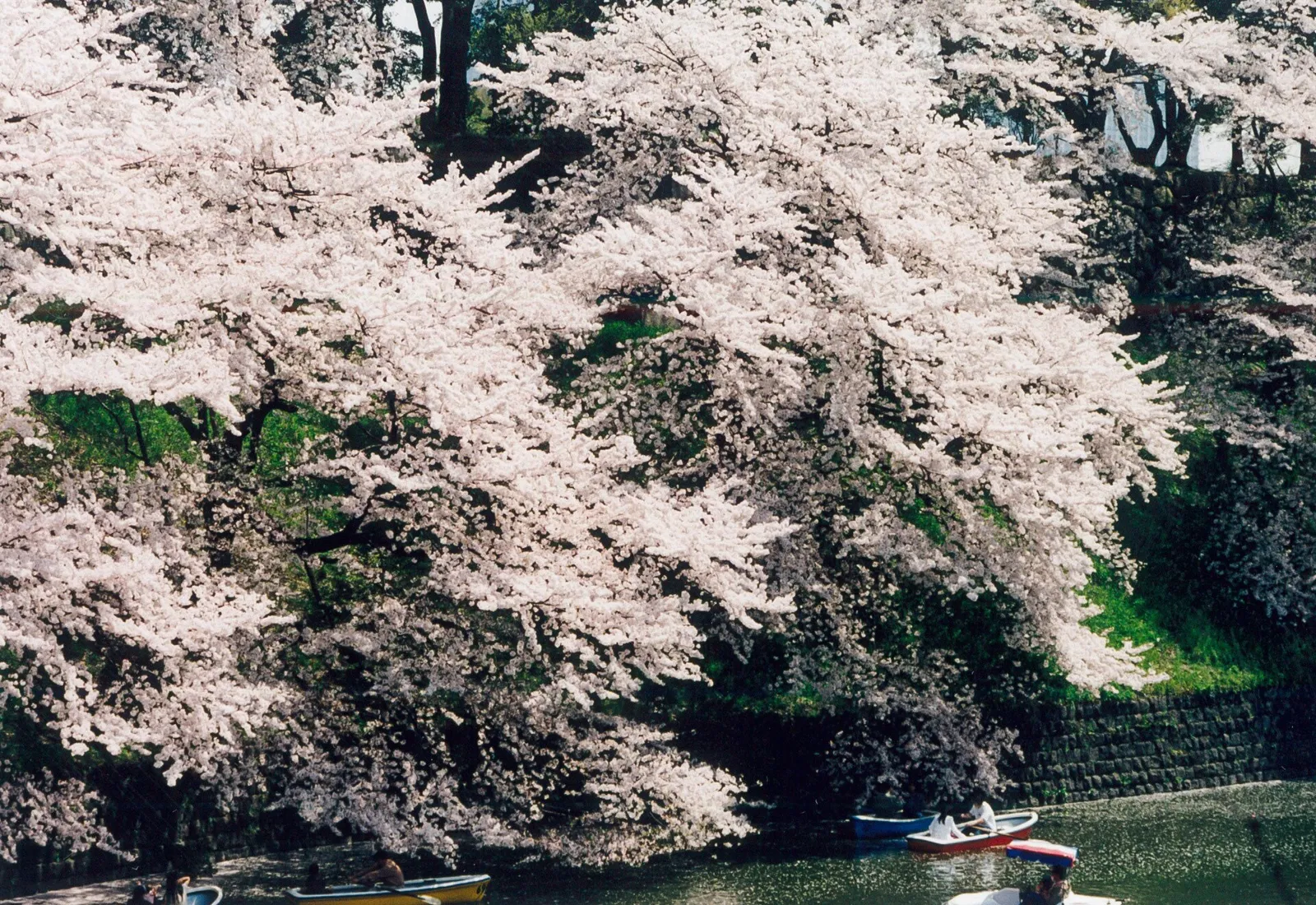
Cherry blossom season is the one itinerary where the destination chooses the dates and you adapt. Recent seasons put Tokyo’s best viewing somewhere between the last week of March and the first week of April, with Kyoto and Osaka a breath behind — but the forecast moves a week or more between years, and the flowers wait for no one. The strategy: ten days across Tokyo, Kyoto (with a Nara day trip) and Osaka, refundable hotels, and a plan built so that any five of the ten days catching full bloom still makes the trip. Track the forecast from January onward — the best time to visit guide has the forecast sources.
Day 1: Arrive in Tokyo, Ueno at Lantern-Time
Land and go straight to the flowers: Ueno Park’s 1,000-plus cherry trees, lantern-lit from about 5 p.m., are a subway ride from anywhere you would sensibly sleep. Pick up picnic supplies at the station’s supermarket on the way — this is Japan’s most famous hanami (flower-viewing) park, and the party lanes under the trees run loud and late.
Practical tip: Ueno is free and open, which is exactly why it is crowded — arrive either at lantern-lighting or before 9 a.m. Book refundable rates for this whole trip; see Practical Notes for why that is the season’s real skill.
Day 2: The Tokyo Grand Tour of Blossoms
The full circuit: morning rowboats beneath the blossoms at Chidorigafuchi’s moat (arrive at the boat queue by 9 a.m.; picnics are not allowed here, but the nearby Yasukuni Shrine trees come with food stalls), midday in the variety-rich lawns of Shinjuku Gyoen (¥500, closed some Mondays in the pre-season stretch, alcohol prohibited), and dusk along the Meguro River’s 800 trees, illuminated 5-8 p.m. during the festival.
Practical tip: Shinjuku Gyoen’s peak weekends have required advance online reservations in recent seasons (in 2026: the last weekend of March and first weekend of April) — check its site the week you arrive and reserve a slot the moment they open.
Day 3: Old Tokyo under the Petals
Sumida Park’s riverside cherries sit a five-minute walk from Senso-ji’s lantern gates — do both in one Asakusa morning, with the Skytree in frame across the river. Spend the afternoon assembling a hanami picnic like a local: a depachika food hall (department-store basement) bento, konbini fried chicken, something in a can. Evening: spread a sheet under Ueno’s trees or along Sumida’s banks and let the season explain itself.
Practical tip: Picnic etiquette is real — take your trash with you, don’t shake branches for petal photos, and claim your sheet early. The etiquette guide covers hanami manners in detail.
Day 4: Flex Day — Chase the Bloom
A deliberately empty day, because the forecast will have opinions by now. If Tokyo has not peaked yet, day-trip to Kamakura’s seaside temples or stay in town for the slower-blooming gardens; if petals are already falling, move a day ahead to Kyoto. This buffer is what turns a good sakura trip into a great one — treat it as your adjustment slider, not a spare day.
Practical tip: Reserve your shinkansen seats for tomorrow tonight (SmartEX lets you book and change), and check the bloom forecast for Kyoto — the Japan Meteorological Corporation and JNTO-linked forecast pages update weekly from January.
Day 5: Shinkansen to Kyoto, Evening at Maruyama
The Nozomi covers Tokyo to Kyoto in about 2 hours 20 minutes (around ¥14,000 — a window seat on the right for a chance of Fuji). Drop bags and climb to Kiyomizu-dera’s wooden stage for a first Kyoto view over the blossom-heavy slopes, then descend to Maruyama Park, whose giant weeping cherry is lit at night and functions as the city’s living room during the season.
Practical tip: Kiyomizu-dera opens 6 a.m. in season — the difference between having the stage to yourself and queueing for it. If tonight is your one Kyoto evening, Maruyama after dark beats every illuminated temple you could pay for.
Day 6: The Philosopher’s Path
Walk the canal-side Philosopher’s Path in the morning light — a free, unhurried lane of cherries linking Ginkaku-ji (the Silver Pavilion) southward past temples and coffee stands. Continue to Nanzenji’s grounds and the Keage Incline, a disused railway track lined with blossoms that photographs like a film set. Evening in Gion at lantern-lighting hour.
Practical tip: The Path is narrow and everyone photographs the same five bridges — go before 8:30 a.m. and the composition is yours. Silver Pavilion entry cannot be booked; the queue moves fast.
Day 7: Arashiyama on the Western Edge
Morning west to Arashiyama: cherry trees along the Katsura River banks, the bamboo grove (free, always open, best before 9), and Togetsukyo Bridge with mountain hazy behind blossom. Take the scenic Sagano railway or a river boat if the season is generous. Afternoon back in central Kyoto — Nijo Castle’s gardens or Nishiki Market for dinner supplies, then the Kamo River banks, where Kyoto sits on the gravel terraces with cans of beer.
Practical tip: Arashiyama’s main street jams by 10 a.m. in season — the JR line from Kyoto Station gets you there in about 20 minutes, or the Randen tram from Shijo for the scenic return.
Day 8: Nara — Deer among the Blossoms
The JR Miyakoji rapid runs Kyoto to Nara in 45 minutes (¥720). Nara Park’s open lawns are planted with cherry trees and patrolled by the bowing deer who have learned that tourists equal crackers — buy a stack of shika senbei and make friends carefully. Todai-ji’s Great Buddha hall and the lantern-lined paths of Kasuga Taisha fill the afternoon; return to Kyoto for a farewell kaiseki or a Pontocho alley stool.
Practical tip: The deer are polite until food appears — hold crackers flat-palmed, and hide the rest. Nara’s park areas are free and unfenced; temple interiors charge modest admissions.
Day 9: Kyoto to Osaka, Castle-Park Finale
Thirty minutes by JR rapid to Osaka, then straight to the finale: Osaka Castle Park, where the moat-and-turret backdrop under blossom is among Japan’s great free views, with a lawn (Nishinomaru) that charges a small fee and pays it back in framing. Evening, walk Dotonbori’s neon canal — the seasonal contrast of petals by day and electric signage by night is the trip’s closing argument.
Practical tip: Osaka Castle’s park is open to all; the Nishinomaru Garden’s evening light-ups in season can require timed tickets — check the castle’s site on arrival, since night illumination runs only part of the bloom window.
Day 10: Riverside Morning, Fly Home
If your flight leaves late, spend the morning at Kema Sakuranomiya, the riverbank cherry corridor north of the castle — several kilometers of trees with jogging paths and quiet benches, where Osaka’s own do their hanami away from the postcards. Then Nankai or JR to Kansai Airport (35-45 minutes from Namba) and home, petals presumably already in your luggage folds.
Practical tip: Check out of Osaka hotels with a bloom forecast saved for next year — the standard advice is that if you missed full bloom by days, the Tohoku and Hokkaido cherries run from mid-April into May, and the redemption trip books itself.
Practical Notes
Intercity transport
| Leg | Mode | Time | Cost (approx.) |
|---|---|---|---|
| Tokyo → Kyoto | Nozomi shinkansen | ~2 h 20 min | ~¥14,000 |
| Kyoto → Nara (round trip) | JR Miyakoji rapid | 45 min each way | ¥720 each way |
| Kyoto → Osaka | JR special rapid | ~30 min | ~¥750 |
| Namba → Kansai Airport | Nankai express | 35-45 min | ~¥1,000 |
Fares as of October 2026. In cherry season, reserve shinkansen seats at least a couple of days ahead — the sakura-facing weekends are among the JR system’s busiest of the year.
Budget estimate (per person, excluding international flights)
Cherry season is peak season: expect hotel rates 1.5-2x low-season and January sell-outs in Kyoto.
- Backpacker: US$1,200-1,600 — hostels booked by December, picnic dinners, point-to-point rail
- Mid-range: US$1,900-2,800 — 3-4-star hotels at seasonal rates, one kaiseki dinner, rowboat and garden tickets
- Comfort: US$3,200-5,000 — a Kyoto ryokan night booked months out, castle-garden evenings, Green Car seats
The refundable-booking premium (often 5-15%) is the cheapest insurance in Japan travel — build it into the budget from day one.
JR Pass verdict
No pass. The route is a single westward chain — Tokyo-Kyoto-Osaka with a Nara spur — totaling roughly ¥16,500 in point-to-point tickets, nowhere near the ¥50,000 seven-day pass price. The JR Pass guide explains the post-2023 price math; the JR Pass calculator will confirm it for your exact dates. Spend the difference on a refundable rate and a better dinner.
Sources & verification (8)
- https://www.japan-guide.com/e/e2011.html
- https://www.japan-guide.com/e/e3050.html
- https://www.japan-guide.com/e/e2363.html
- https://www.japan-guide.com/e/e3901.html
- https://www.japan-guide.com/e/e3912.html
- https://www.japan-guide.com/e/e4107.html
- https://www.japan-guide.com/e/e4001.html
- https://www.japan-guide.com/e/e2361.html