Best Time to Visit Japan: Seasons, Crowds, and the Weeks to Avoid
There is no single best time to visit Japan — there is a trade-off between weather, crowds, and price, and a handful of weeks you should genuinely avoid. This guide breaks down cherry blossom timing (late March to early April on Honshu, with year-to-year swings of about a week), autumn colors in mid-to-late November, Hokkaido's February snow festival, the June rainy season, August's heat plus Obon, and why Golden Week (April 29-May 5) is the worst week to arrive. Includes a best-months table for Tokyo, Kyoto, Hokkaido, and Okinawa. Timing facts as of October 2026.
The short version
- For a first trip on the Golden Route, aim for late March to early April (cherry blossoms) or November (autumn colors) — and book hotels 3-6 months out
- Never plan around Golden Week (April 29-May 5): trains, flights, and hotels choke, and popular lodging sells out far ahead
- Cherry blossom dates swing about a week year to year — Tokyo's average full bloom is March 31, Kyoto's April 4, Sapporo's May 6
- August combines peak heat and humidity, Obon domestic travel (August 13-16), and typhoon season (August-September)
- Hokkaido is Japan's reverse season: at its best in February (snow) and July (cool, lavender), while Honshu melts
Every month in Japan is somebody’s best month, which is exactly why the internet advice feels contradictory. The real decision is a trade: comfortable weather means peak crowds and peak prices, and two calendar weeks — Golden Week and mid-August — genuinely should not be on your shortlist. Here is how the year actually breaks down, with the average dates that matter, so you can pick your compromise instead of discovering it. Timing details are as of October 2026; blossom and foliage forecasts are published afresh every year, so verify close to booking.
Cherry Blossom Season: Late March to Early April
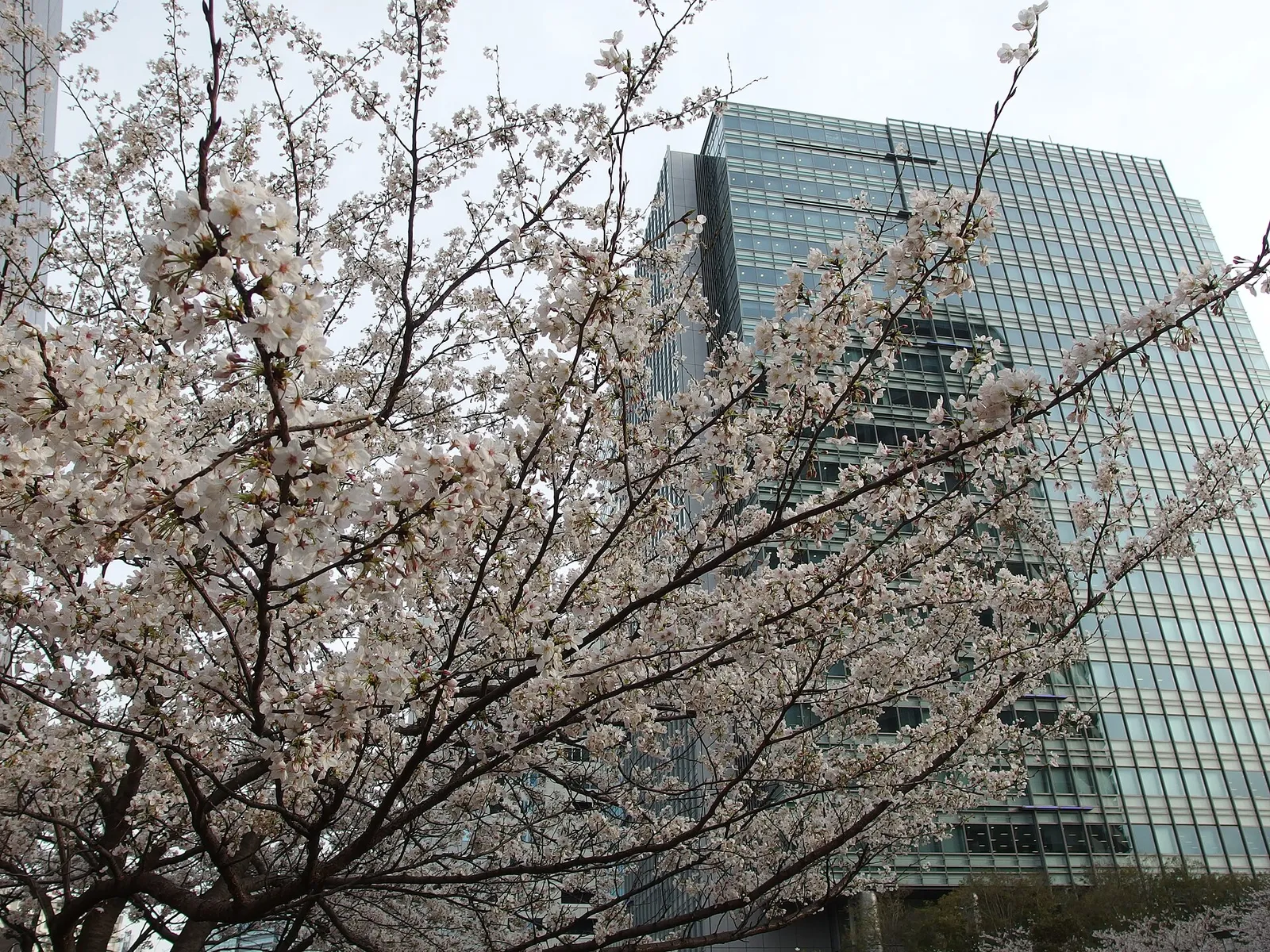
Sakura is the headline season, and the mechanics are simple: the blossom front climbs the archipelago over about ten weeks — Okinawa blooms as early as February, Tokyo and Kyoto in late March and early April, and Sapporo not until early May. The averages (based on Japan Meteorological Agency data): Tokyo full bloom around March 31, Kyoto April 4, Osaka April 4, Fukuoka March 31, and Sapporo May 6. Two rules from those numbers. First, the start of the season shifts by roughly plus-or-minus one week year to year, so build a window, not a date. Second, full bloom typically lasts only about a week before wind and rain strip the trees — you are chasing a moving target.
The payoff is Japan at its best: parks full of hanami (blossom-viewing) picnics, castle walls and riverbanks in pink, and an entire country in a good mood. The cost is peak crowds and hotel rates in the cherry cities from late March through the first days of April. Your action plan: target March 27-April 7 for Tokyo-Kyoto itineraries, book rooms by three to four months out, and once you’re there follow the daily forecasts — japan-guide.com’s sakura page and the Japan Meteorological Agency both publish running updates, and they will tell you whether to shift your Ueno day to the park or to the mountains where bloom runs later.
Autumn Colors: Mid-to-Late November
The koyo (autumn foliage) season is the locals’ favorite and, for our money, the best time for a first visit. The front moves the opposite direction — southward, from Hokkaido’s mountains in mid-September down to the lowlands of central Japan around late November, with trees around Tokyo and Kyoto holding color into early December. For the classic Golden Route, aim for November 15-30 in Kyoto (peak color typically falls in that window; recent years have run November 11-December 2), and late November to early December in Tokyo.
Why November beats April: the color window is weeks longer than the blossom window, the weather is dry and crisp, and it sits safely outside the Golden Week landmine. Kyoto in late November is still the city’s busiest stretch — book two to three months ahead, and do the famous spots (Tofuku-ji, Eikan-do, the Arashiyama gorge) at 8 a.m. on a weekday. Track the year’s forecasts on japan-guide.com’s autumn colors page, which posts weekly reports from September onward, exactly like the sakura page does.
Winter: Powder and the Sapporo Snow Festival
Winter splits Japan in two. On the Pacific side (Tokyo, Kyoto, Osaka), winter means cold, dry, brilliantly clear days — Fuji visible from Tokyo, prices at their annual low in January and February, and winter illuminations everywhere. On the Sea of Japan side and in Hokkaido, it means serious snow: this is one of the world’s great ski economies, with Tokyo skiers heading to Nagano’s Hakuba and powder hunters flying to Hokkaido’s Niseko and Rusutsu, per JNTO’s own winter guide.
The anchor event is the Sapporo Snow Festival, held in the first week of February: hundreds of snow and ice sculptures across the Odori, Susukino, and Tsudome sites, drawing upwards of two million visitors. Sapporo hotels sell out for those dates months ahead — if the festival is your goal, book by November. One more winter math: Hokkaido’s cherry blossoms average full bloom on May 6, so a Golden Week trip that catches crowds in Kyoto catches blossom season in Sapporo. Clever, but reserve early for the same reason.
The Weeks to Avoid: Golden Week, Obon, and the Summer Furnace
Japan’s three big domestic travel seasons are New Year, Golden Week, and Obon. Foreign tourists get blindsided by the last two.
- Golden Week (April 29-May 5). Four holidays in a row — Showa Day (April 29), Constitution Day (May 3), Greenery Day (May 4), Children’s Day (May 5) — plus sandwiched weekends. Trains, airports, and tourist sights jam solid, hotels in popular areas sell out far in advance, and the whole country moves at once. If your dates are locked, plan the museums-and-neighborhoods version of Japan and reserve train seats the day they open.
- Obon (August 13-16). The Buddhist homecoming week, with families returning to ancestral towns — heavy domestic travel and higher lodging prices, per japan-guide.com, layered on top of August’s worst weather.
- Peak summer (July-August). Much of Honshu sits in hot, sweltering humidity; if you go, plan mountains, Hokkaido, early mornings, and midday museums. Fireworks season (July-August) and Mt Fuji’s climbing season (early July to around the first week of September) are the consolations.
- The rainy season (tsuyu). The rains begin in May in Okinawa and reach the main islands around June, generally running into July on Honshu — gray, humid, drizzly weeks, though with far fewer tourists. Mid-June to mid-July in Tokyo-Kyoto is the classic tsuyu window; pack a compact umbrella and treat it as museum season.
- Typhoons (August-September). Per JNTO, these “can thwart your travel plans” — build a flexible day or two, know that flights cancel before trains do, and check the Japan Meteorological Agency’s English typhoon page when one approaches.
Best Months by City
| Destination | Best months | Why (and what to avoid) |
|---|---|---|
| Tokyo | Late Mar-early Apr; Oct-early Dec | Sakura (avg. full bloom Mar 31), then a long dry, mild autumn with foliage into early December. Avoid: August heat; Golden Week crowds. |
| Kyoto | Late Mar-early Apr; Nov 15-30 | Blossom (avg. full bloom Apr 4) or peak maple color; both book out. Avoid: August — the basin traps brutal heat; mid-Aug Obon piles on. |
| Sapporo / Hokkaido | Feb; Jul | February for the Snow Festival (first week) and powder; July for lavender, cool temps, and an escape from Honshu’s heat — Hokkaido sits mostly outside the June rainy season. Avoid: nothing disastrous; Nov-Apr is quiet and brown between ski runs. |
| Okinawa | Apr-May; Oct-Nov | Warm seas and swimming without the June rains or the August-September typhoon peak. Cherry blossoms bloom here in January-February — Japan’s earliest. |
The general logic: the classic cities peak twice (spring and autumn) and are best booked far ahead then; Hokkaido and Okinawa are counter-seasonal — use them to escape what the main island is suffering, whether that is August heat or June rain.
Two underrated windows worth stealing: late May to mid-June (after Golden Week, before the rains settle in — green, quiet, still mild) and late January through February in Tokyo and Kyoto — the year’s cheapest hotel rates, clear skies, and plum blossoms starting in February. September is a quiet shoulder month too, but it carries the year’s highest typhoon risk, so keep the itinerary loose.
Common Mistakes
- Booking flights for April 28. Golden Week starts April 29 and the country’s transport and hotels seize up. Shift your trip two weeks either way.
- Planning sakura to the day. Bloom swings about a week year to year. Book a March 27-April 7 window in Tokyo/Kyoto and adjust daily with the running forecasts.
- Assuming November foliage = Thanksgiving. Kyoto peaks roughly November 15-30, often before America’s turkey weekend; Tokyo runs a touch later, into early December.
- Dismissing summer entirely. July-early September is the only time to climb Mt Fuji, and Hokkaido is glorious then. Route around the heat instead of writing off the season.
- Showing up in Sapporo during the Snow Festival without a hotel. Two million visitors, first week of February, rooms gone by November. Book or visit a week later — the sculptures stand while they last.
- Ignoring typhoon season in Okinawa and Kyushu. August-September storms can scrub days of an island itinerary. Check the forecast map before locking non-refundable island bookings, and keep a Tokyo or Osaka buffer day before your flight home.
Sources & verification (9)
- https://www.japan-guide.com/e/e2011_when.html
- https://www.japan-guide.com/e/e2011.html
- https://www.japan-guide.com/e/e2014.html
- https://www.japan-guide.com/e/e2282.html
- https://www.japan-guide.com/e/e2286.html
- https://www.japan-guide.com/e/e2163.html
- https://www.japan.travel/en/guide/winter-guide/
- https://www.japan.travel/en/guide/summer-guide/
- https://www.japan.travel/en/plan/weather/